Targeted removal, not just surface vacuuming
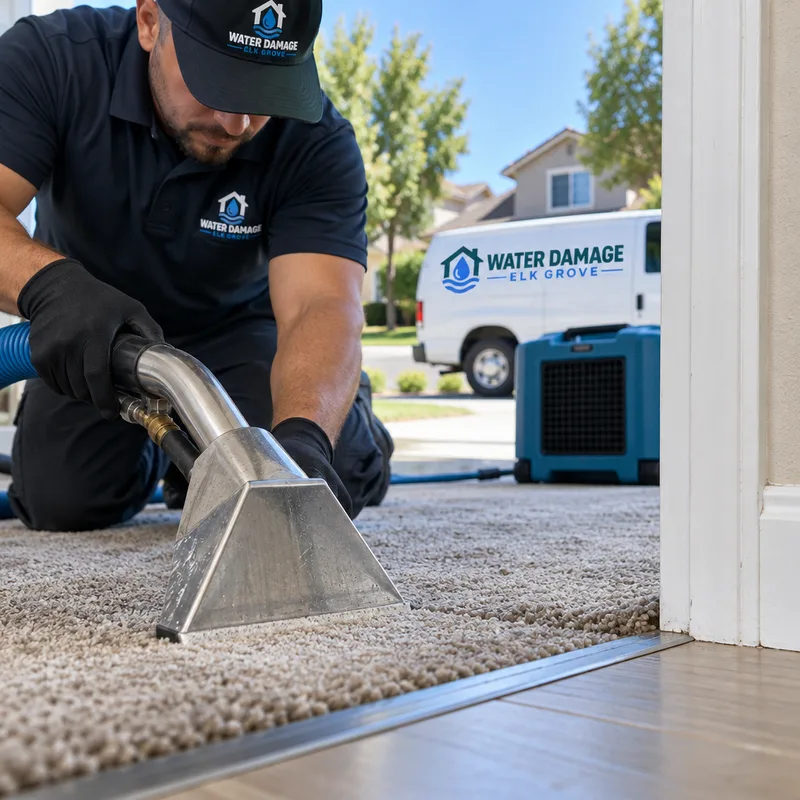
We use commercial extraction tools designed for volume removal and for pulling water out of carpet, pad, and hard-to-reach edges where moisture lingers.
Serving Elk Grove, California & surrounding areas
24/7 Emergency Response
Water extraction · Elk Grove
Rapid removal of standing water and saturated moisture, followed by a clear drying plan so your home or business can move toward repairs sooner.
Call Now +1 279 399 4623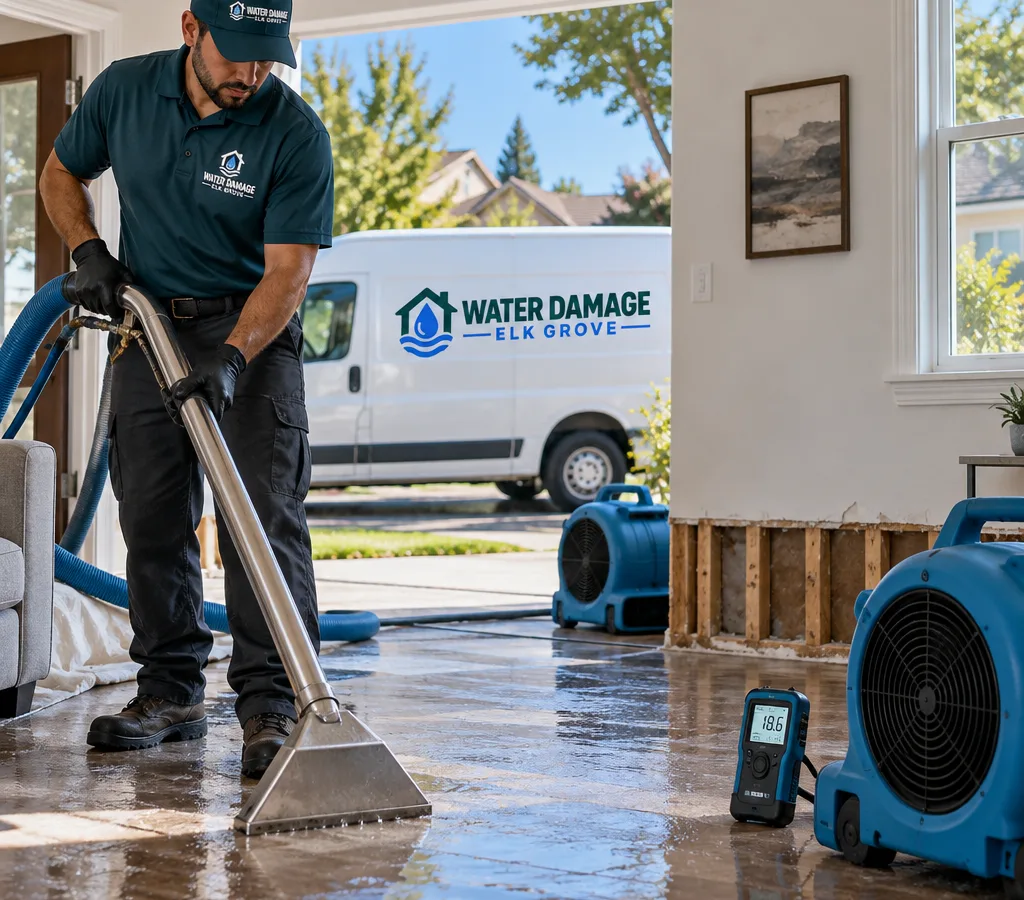
Early extraction limits the spread
Elk Grove water extraction is the first step that keeps a small leak from turning into widespread damage. The faster standing water and wet materials are addressed, the easier it is to control swelling, staining, and lingering odor.
At Water Damage Elk Grove, our crews focus on fast containment, effective extraction, and a drying plan you can understand. We work on homes and commercial spaces across Elk Grove, including areas with a mix of slab foundations and two-story builds where water can travel quickly into adjacent rooms.
You will be working with water damage restoration specialists serving Elk Grove who document conditions, explain what can be dried versus what must be removed, and keep the job moving with practical steps instead of vague promises.
Complete moisture control
We use commercial extraction tools designed for volume removal and for pulling water out of carpet, pad, and hard-to-reach edges where moisture lingers.
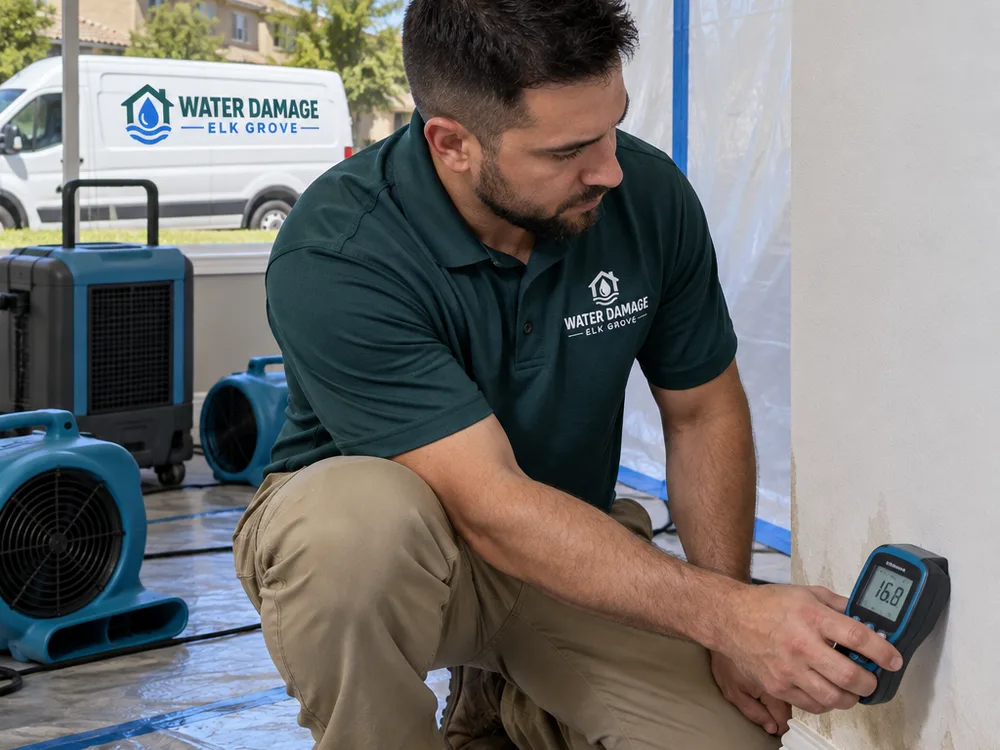
A moisture meter and thermal checks help us find the wet footprint behind baseboards, under flooring edges, and around cabinets, then set realistic drying targets.
Air movers and dehumidifiers are placed based on airflow paths and the type of materials affected, so drying happens evenly instead of creating pockets of trapped moisture.
When materials cannot be saved, we isolate the area, remove only what is necessary, and keep debris and dust managed so the property stays usable when possible.
You get a written plan that explains what is being extracted, what is being dried, what equipment is required, and what conditions could change the scope.
Extraction followed by measured drying
Most water extraction Elk Grove appointments follow the same priorities: remove bulk water first, stop migration next, then dry the structure with measured progress checks.
We start by identifying the source category (clean supply water vs. gray or contaminated water) and the affected materials. Standing water is removed with commercial extractors, then we address secondary saturation in carpet and pad, under baseboards, and along transitions where water wicks under flooring. If water is trapped under a floating floor or in a wall cavity, we talk through the least invasive way to access it.
Drying is not guesswork. We place air movers to create a directional airflow pattern and set dehumidification based on the space size and how wet the materials are. During daily checks, we track moisture readings and adjust equipment placement so the last 10 percent of drying does not stall.
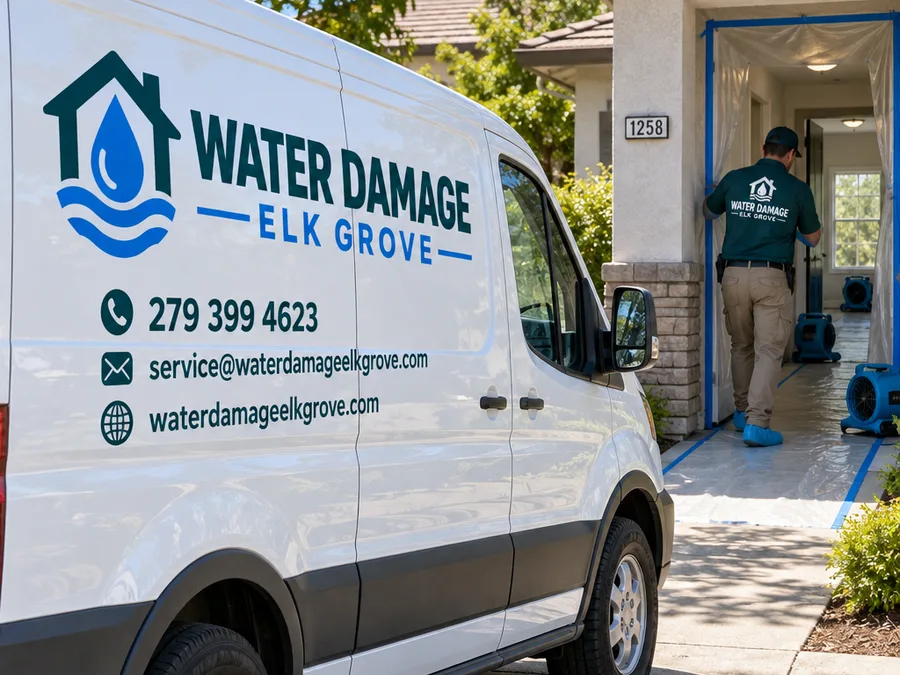
If your property is near busy corridors like Laguna Boulevard or Elk Grove Boulevard, we can also plan equipment placement and hose routing to keep walkways safer and reduce disruption for tenants, customers, or family routines.
From source control to next steps
We identify where the water is coming from, check for electrical and slip hazards, and confirm whether the water is clean or potentially contaminated so the cleanup method matches the risk.
We remove standing water first, then set basic containment to keep water from migrating into adjacent rooms, closets, and hallways.
We measure and document where moisture is present, including edges of flooring, wall bases, and areas under cabinets that may look dry on the surface.
Equipment is placed for airflow and moisture removal, with special attention to tight zones like bathrooms, laundry rooms, and kitchens where moisture can stay trapped.
We re-check readings, adjust the setup as needed, and explain when the space is ready to transition to repairs, replacement, or rebuild decisions.
Planning the extraction budget
Water extraction in Elk Grove typically ranges from about $300 to $1,500 for a straightforward, small-area job, while larger losses with heavy saturation, multiple rooms, or more complex drying can run $1,500 to $4,000+ depending on equipment days and material removal. A single-room extraction with basic drying is usually on the lower end; multi-room water migration, pad removal, or contamination precautions increase cost.
Pricing changes with the amount of standing water, how far it traveled (including under flooring), the category of water, access, and how many days dehumidifiers and air movers must run. The exact scope and price are confirmed after the on-site inspection and moisture mapping.
Worksite examples
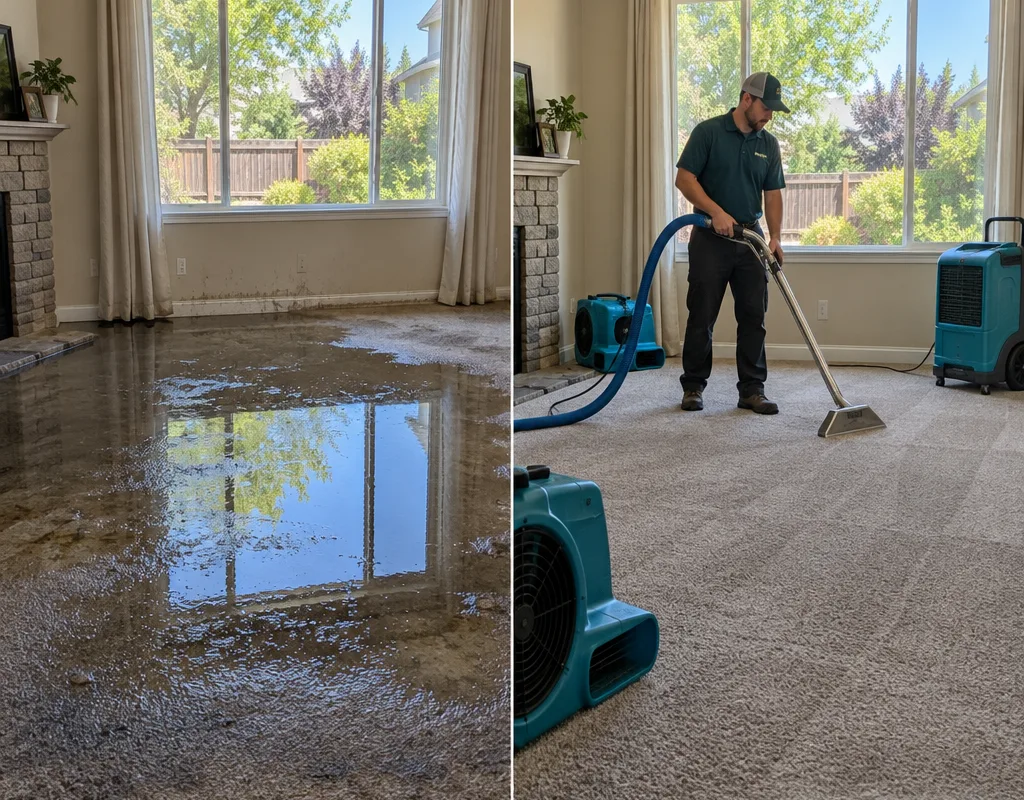
“We had water spread from the laundry room into the hallway carpet. They extracted it the same day, explained what was still wet behind the baseboards, and adjusted the drying setup after the first check. The house stopped smelling damp within a couple of days.”
Maya R.
“The scope was clear about what they could dry and what needed to come out. The moisture readings at each visit made it easy to understand the timeline instead of guessing.”
Jordan L.
Practical answers
In many situations we can start water extraction quickly, and the goal is to remove standing water as soon as it is safe to do so. The first visit focuses on bulk extraction, identifying how far water traveled, and setting drying equipment so moisture does not continue to wick into walls and flooring.
Extraction removes the standing water, but drying equipment is usually still needed because moisture remains in carpet pad, subfloor seams, and wall bases. Air movers and dehumidifiers are used to remove that trapped moisture, and progress should be checked with moisture readings rather than relying on how the surface feels.
Sometimes, but it depends on how the floor is built and where water is trapped. Water can collect at edges and underlayment layers, so we inspect transitions and take moisture readings to decide whether drying from the perimeter is realistic or whether limited removal is the safer option to prevent long-term moisture issues.
The deciding factors are the water category (clean vs. contaminated), how long materials stayed wet, and how far moisture traveled into the pad and tack strip area. Clean-water events caught early have a better chance of being dried; contaminated water usually requires removal of porous materials for health and odor control.
Many drying jobs take about 3 to 5 days, but the timeline depends on saturation level, airflow, material type, and how much water is trapped in hidden areas. We monitor moisture levels during checks and adjust equipment so the job does not stall in the final drying phase.
Yes, we can document moisture readings, affected areas, equipment placement, and daily progress notes when needed. Clear documentation helps support why extraction, drying days, and any necessary removal were part of the scope.
Tell us what happened and what areas are wet. We will assess the spread, extract the water, and give you a clear plan for drying and next steps.
Call for Emergency Help